Top Tips for Accurate Construction Cost Estimating in Adelaide

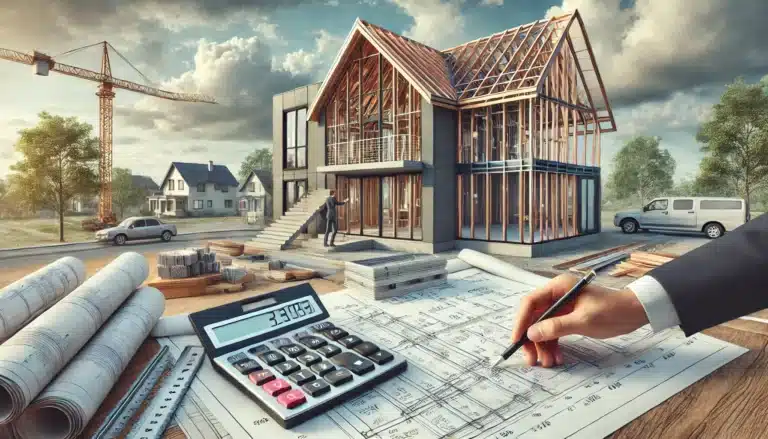
Accurate construction cost estimating is crucial for the success of any building project in Adelaide. Whether you’re a seasoned builder or a homeowner embarking on a renovation, understanding the intricacies of cost estimation can save you time, money, and frustration. Here are some top tips to ensure your construction cost estimating in Adelaide is as precise as possible.

1. Understand the Scope of Your Project

Before you start calculating costs, it’s essential to have a clear understanding of the project scope. This includes the size, design, materials, and any special requirements. Detailed project plans and specifications help ensure that every aspect is considered in your estimate.

2. Use Reliable Cost Data

Accurate cost data is the foundation of any reliable estimate. Utilize up-to-date construction cost databases and software tailored to the Adelaide market. These tools can provide current prices for materials, labor, and equipment, ensuring your estimates reflect local market conditions.

3. Include All Project Phases

Make sure your estimate covers all phases of the project, from pre-construction to completion. This includes site preparation, foundation work, construction, finishing, and landscaping. Overlooking any phase can lead to significant budget overruns.

4. Account for Contingencies

Unexpected issues can arise during any construction project. It’s prudent to include a contingency allowance in your estimate to cover unforeseen expenses. Typically, a 5-10% contingency is advisable, but this can vary depending on the project complexity.

5. Get Multiple Quotes

For the most accurate cost estimation, obtain multiple quotes from suppliers and subcontractors. This not only ensures competitive pricing but also helps you identify potential cost variations and negotiate better deals.

6. Consider Local Regulations and Permits

Adelaide has specific building codes and regulations that can impact your construction costs. Ensure you factor in the costs associated with obtaining necessary permits and complying with local regulations. Failing to do so can lead to delays and additional expenses.

7. Review and Update Estimates Regularly

Construction costs can fluctuate due to changes in material prices, labor rates, and market conditions. Regularly reviewing and updating your estimates throughout the project can help you stay on budget and make informed decisions.

8. Consult with Experts

If you’re unsure about any aspect of construction cost estimating, consider consulting with a quantity surveyor or a construction cost expert. Their expertise can provide valuable insights and help you avoid costly mistakes.

9. Utilize Technology

Leverage construction cost estimating software and tools that offer advanced features like 3D modeling, project management integration, and real-time data updates. These technologies can enhance accuracy and efficiency in your estimating process.

10. Detailed Documentation

Keep detailed records of all estimates, quotes, and contracts. This documentation not only supports your cost estimates but also provides a clear trail for accountability and future reference.

Conclusion

Accurate construction cost estimating in Adelaide is vital for the successful completion of any building project. By following these tips, you can enhance the accuracy of your estimates, manage your budget effectively, and ensure your project stays on track.

Implementing these strategies will help you navigate the complexities of construction cost estimating in Adelaide, leading to more successful and cost-efficient projects.


What You Need to Know About Australian Construction Costs in 2024

As you’re probably aware, Australian construction costs have been in the news after posting an 11.9% growth rate in 2022. You’ve probably heard whispers about the cost of building a home zigzagging like a roller coaster. Well, it’s time to buckle up and explore what’s really happening with construction costs as we step into 2024.

The Latest Twist in Construction Costs

CoreLogic’s latest Cordell Construction Cost Index (CCCI) just dropped some fresh numbers, and guess what? There’s a slight uptick in the cost of building a typical new dwelling. We’re looking at a 0.8% growth over the last quarter of the year. Sure, it’s a bit of a jump from the previous four quarters, but it’s more like returning to the old rhythm rather than a wild new surge.

Back to Basics

Kaytlin Ezzy from CoreLogic puts it in perspective: the growth rate, although up, is still a tad below the pre-COVID decade average. So, it’s like the construction cost growth is getting back to its old groove after a bit of a rollercoaster ride. Remember, we saw a whopping 11.9% peak over the 12 months to December 2022. Now, it’s simmered down to a more modest 2.9% annual growth – the smallest rise since way back in March 2007.

What’s Happening on the Ground?

John Bennett, the guy who keeps an eye on construction cost estimation at CoreLogic, sheds light on the current scenario. Pricing is a bit like a game of ping-pong with no clear trend. Some suppliers are hiking up prices, while others are scaling back. It’s a mixed bag of increases in hardware and chemicals, and a seesaw of timber and metal prices.

The Bigger Picture

Despite the slowdown many predicted with the interest rate hikes, the building industry is still buzzing. There’s a healthy load of projects keeping the wheels turning, keeping cost pressures up. But the state-by-state picture shows some variety – NSW, Victoria, and WA saw growth, while SA and Queensland took a little breather.

Peering into the Crystal Ball

Looking ahead, the construction cost landscape is a bit hazy. While a drop in costs isn’t likely, the growth rate could sway based on several factors. Dwelling approvals are on a bit of a rollercoaster themselves, and any future cash rate cuts could stir up the housing demand pot. But one thing’s for sure – this normalization in CCCI growth is a silver lining for builders, insurers, and homeowners.

State-by-State Snapshot

  • NSW: Up by 1.0%, but hey, it’s just hovering around the pre-COVID average.
  • Victoria: Leading the charge with a 1.1% rise this quarter.
  • Queensland: Playing it cool with just a 0.1% increase.
  • WA: A steady rise of 0.7% over the quarter.
  • SA: Taking a slight dip with a 0.5% increase.

Wrapping Up

CoreLogic isn’t just crunching numbers for the sake of it — this data is gold for businesses making big decisions, estimating rebuilds, and pricing risks effectively. However, local costs could very well depart from costs viewed from a macro perspective across the country.

So, there you have it, folks. The construction cost landscape is as dynamic as ever, but with a hint of normalcy peeking through. Keep an eye on these trends, because, in the world of construction, forewarned is forearmed!

Construction Cost Estimates for Sustainable Building Practices

In today’s age, the clarion call for sustainability resonates across industries. The construction sector, responsible for a significant chunk of global emissions and resource consumption, is no exception. Integrating sustainable practices into construction not only reduces the environmental footprint but often offers long-term cost savings. However, the initial investment required can be a matter of concern for many. This post sheds light on the cost estimates associated with sustainable building practices.

1. The Green Foundation

Sustainable construction typically begins below ground level. Using eco-friendly foundations like insulated concrete forms or rammed earth can decrease energy loss and create a robust, thermally efficient base.

Cost Implication: Initial costs might be higher than traditional methods, but reduced energy bills can balance out the investment over time.

2. Structural Materials: Reuse, Recycle, and Reduce

Sustainable construction prioritizes recycled, reclaimed, and regional materials. Whether it’s reclaimed wood, recycled steel, or locally sourced stones, these materials reduce the carbon footprint associated with transportation and new resource extraction.

Cost Implication: Recycled materials might cost more upfront, but their longevity and reduced environmental impact can justify the expense.

3. Green Roofs and Walls

Green or ‘living’ roofs and walls incorporate vegetation, helping with insulation, stormwater management, and biodiversity promotion.

Cost Implication: While green roofs might demand a higher initial investment compared to conventional roofs, they can extend roof lifespan and reduce energy costs.

4. Energy-efficient Windows and Doors

Double or triple-glazed windows, and tightly-sealed doors can massively cut down on energy consumption by preventing heat loss.

Cost Implication: These features might be pricier than their standard counterparts, but the savings in energy bills typically recoup the investment in a few years.

5. Solar Power Integration

Harnessing solar energy through panels or solar tiles reduces dependence on grid electricity, curbing greenhouse gas emissions.

Cost Implication: Solar installations can be a significant initial expense. However, with tax incentives, decreasing solar equipment costs, and long-term energy savings, the Return On Investment becomes evident.

6. Efficient Water Systems

Incorporating water-efficient plumbing systems, rainwater harvesting, and greywater recycling can lead to substantial water savings.

Cost Implication: The initial setup for these systems might be costly, but they can lead to decreased water bills and reduce the strain on local water resources.

7. Sustainable Insulation

Materials like wool, cellulose, or recycled denim offer effective insulation, reducing energy consumption and providing a healthier indoor environment.

Cost Implication: While sustainable insulation materials might carry a higher price tag, they offer superior performance and lifespan, leading to long-term savings.

8. Smart Building Systems

Integrating smart thermostats, energy-efficient lighting, and automated systems can optimize energy use, ensuring minimal waste.

Cost Implication: Smart systems come with higher upfront costs. Yet, their ability to streamline energy use can lead to considerable long-term savings.

9. Sustainable Landscaping

Using native plants, optimizing shade, and incorporating permeable paving can enhance building sustainability, reduce water use, and mitigate heat island effects.

Cost Implication: While initial landscaping costs might be comparable to conventional methods, reduced maintenance and watering needs can result in long-term savings.

10. Indoor Air Quality Enhancement

Using low-VOC paints, sealants, and materials ensures a healthier indoor environment, enhancing occupant well-being.

Cost Implication: Products prioritizing indoor air quality might have a slightly higher price point, but the health benefits they confer are invaluable.

Conclusion:

Sustainable building practices, while sometimes demanding a higher initial investment, underscore the adage, “You get what you pay for.” The upfront costs are often balanced out, if not surpassed, by long-term savings, durability, and the undeniable environmental and health benefits.

As sustainable construction becomes the norm rather than the exception, economies of scale will likely make these practices even more affordable. Those venturing into green construction today aren’t just investing in their projects; they’re investing in the future of our planet.

For construction professionals, homeowners, and investors, it’s vital to view sustainable building costs not as expenses but as investments. Investments that promise not just financial returns, but also a safer, healthier, and more sustainable world for generations to come.

Factors Influencing Construction Cost Estimates

Navigating the complexities of the construction industry requires a deep understanding of the numerous variables that play a role in determining costs. For investors, homeowners, and contractors, a comprehensive construction cost estimate is not just a figure on paper; it’s a blueprint that directs the entire project’s trajectory. With a multitude of factors influencing these estimates, it’s essential to grasp the intricacies to make informed decisions. In this post, we’ll dissect the key elements that sway construction cost estimates.

1. Project Size and Complexity

The overall scope and intricacy of a project are primary determinants of cost. Naturally, larger projects with intricate designs demand more materials, labour, and time. Conversely, smaller, straightforward designs might cost significantly less.

2. Labour Costs

Labour, often one of the most substantial expenses in construction, is influenced by:

  • Wage Rates: Local labour markets and regulations play a role in determining wage rates.
  • Skill Levels: Specialized tasks require skilled workers, typically commanding higher wages.
  • Labour Productivity: The efficiency of the workforce can affect the duration and cost of the project.

3. Material Costs

The choice of construction materials has a profound impact on cost estimates. Factors to consider include:

  • Material Type: High-end materials like marble or hardwood naturally cost more than alternatives.
  • Availability: Locally sourced materials are often cheaper due to reduced transportation costs.
  • Fluctuations: Prices of materials like steel or timber can vary based on global supply and demand.

4. Equipment and Machinery

The tools and machinery required for construction can significantly affect costs, depending on:

  • Ownership vs. Rental: Owning equipment can sometimes be cheaper in the long run, but renting might be more cost-effective for short-term projects.
  • Operational Expenses: Fuel, maintenance, and repair costs for machinery.

5. Location of the Project

The geographical location influences several cost factors:

  • Accessibility: Remote locations can increase transportation costs for materials, machinery, and labour.
  • Local Regulations: Certain areas might have specific building codes, demanding specialized materials or techniques.
  • Site Conditions: Rocky terrains, flood zones, or areas with unstable soil can increase construction challenges and costs.

6. Project Duration

The projected timeline can influence costs in various ways:

  • Extended Rentals: Longer projects mean longer equipment and machinery rental periods.
  • Labour Overheads: Extended wages, accommodation for the workforce, and other associated costs.
  • Inflation: For particularly long projects, inflation can increase material and labour costs over time.

7. Design Details

Architectural intricacies, custom features, and unique specifications can add to the project cost. For instance, a custom-designed stained-glass window will be pricier than a standard one.

8. Market Conditions

Economic factors play a subtle yet crucial role:

  • Supply and Demand: High demand with limited labour or material supply can push prices up.
  • Economic Health: During economic downturns, labour and materials might be cheaper, but financing might be more challenging to secure.

9. Regulatory and Permit Costs

Every construction project is bound by local regulations and requires specific permits. These permissions, licenses, and adherence to standards have associated fees and can affect the overall cost.

10. Contingencies

Accurate estimates always factor in unforeseen challenges. This contingency buffer, typically 5%-15% of the total cost, accounts for unexpected expenses that might arise during the project.

11. Contractor’s Markup

Finally, contractors need to make a profit, and this is added as a markup on the total estimated cost. The percentage can vary based on the contractor’s reputation, expertise, and market conditions.

Conclusion:

Crafting an accurate construction cost estimate is akin to assembling a jigsaw puzzle, where each piece, no matter how small, plays a pivotal role. Whether you’re a contractor keen on delivering transparent estimates or a homeowner seeking value for money, understanding these influencing factors offers clarity and direction.

In the ever-evolving realm of construction, costs will invariably be influenced by a myriad of elements. However, with awareness, research, and meticulous planning, estimates can be honed to reflect realistic budgets, setting the stage for successful projects that stand the test of time.

Residential Construction Cost Estimates for 2024

In the ever-evolving world of residential construction, one of the most critical concerns for homeowners, developers, and builders alike is the estimated cost. With changing market dynamics, innovations in construction techniques, and fluctuations in material costs, staying updated on the latest residential construction cost estimates has become paramount. As we step into 2024, let’s delve into the anticipated costs and the factors influencing them.

1. Material Costs

Timber: Lumber prices have seen dramatic shifts in the past few years. While there was a surge in prices in the earlier part of the 2020s, 2024 forecasts suggest a more stabilized rate. This stabilization can be attributed to supply chain improvements and increased timber production.

Concrete: There’s been a slight increase in the price of concrete, primarily because of the rising demand for large-scale infrastructure projects. Residential builders need to factor in an estimated 5% rise from previous years.

Steel: Steel prices, vital for fixtures, fittings, and certain structural elements, have seen an upward trend. The international demand for steel and import-export tariffs plays a role in this.

2. Labour Costs

Labour remains a significant chunk of construction costs. With the construction sector growing, skilled labour is in high demand, pushing wages higher.

3. Design and Architectural Trends

Modern architectural designs, favouring sustainable and eco-friendly construction methods, might add to the initial construction costs. Features like green roofs, solar panel installations, and energy-efficient windows, while offering long-term savings, do require a substantial upfront investment.

4. Regulatory Costs

The shift towards sustainable building isn’t just a design trend; it’s increasingly a regulatory requirement. Stringent building codes focusing on sustainability and energy efficiency can influence construction costs. Additionally, obtaining permits and passing inspections might entail more expenses if your design isn’t up to the latest standards.

5. Technological Integration

Smart homes are no longer a luxury but an expectation. Wiring a house for smart integrations, security systems, and advanced HVAC systems can add to the construction costs. However, the demand and Return On Investment for these features remain high, making them a worthy investment.

6. Geographical Considerations

The location of the construction plays a significant role in determining costs. Urban areas, with limited space and higher demand, can have elevated land and construction costs. In contrast, rural or suburban areas might offer a cost advantage but could have added transportation or infrastructure-related expenses.

7. Contingency Planning

It’s prudent to set aside a contingency fund, approximately 10-15% of the total estimated cost, to account for unforeseen expenses. Factors like weather disruptions, unexpected ground conditions, or design changes can impact the budget.

8. The Global Perspective

It’s essential to note that global events, such as geopolitical tensions, pandemics, or economic downturns, can influence material availability and costs. The aftermath of the COVID-19 pandemic, for instance, saw disruptions in global supply chains, leading to increased costs and project delays.

Tips for Homeowners and Builders:

Research and Plan: Before embarking on a construction project, thoroughly research the materials, designs, and technologies you want to incorporate. This will give you a clearer picture of the costs involved.

Sustainable Investments: While some sustainable features have higher initial costs, they often lead to long-term savings in energy bills and maintenance.

Seek Expert Advice: Engage with architects, contractors, and construction consultants who can provide a detailed breakdown of costs and potential savings areas.

Monitor and Adjust: Regularly review your construction progress and expenses to ensure you’re on track. Be prepared to make adjustments if unforeseen costs arise.

Conclusion:

2024 promises exciting developments in the world of residential construction. With a clear understanding of the factors influencing costs and strategic planning, homeowners and builders can ensure that their projects not only meet modern standards but are also cost-effective. By staying informed and proactive, you can navigate the intricacies of construction costs and bring your vision to life efficiently.

Construction Estimating Companies: How to Find the Right One for Your Project

Construction estimating is a crucial phase in project planning, determining the overall budget and feasibility of your construction endeavour. While some companies handle estimating in-house, many turn to specialized construction estimating companies for their expertise. This article guides you through the process of finding the right construction estimating company for your project, ensuring accurate estimates and successful project outcomes.

  1. Define Your Project Requirements

Before embarking on your search for a construction estimating company, it’s essential to define your project requirements clearly. Consider the scope of work, project size, timeline, and specific needs. Are you planning a residential, commercial, or industrial project? Do you need detailed quantity takeoffs, cost analysis, or a complete estimate package? Defining your project requirements sets the stage for selecting a company that aligns with your unique needs.

  1. Research and Shortlisting

Thorough research is key to identifying reputable construction estimating companies. Start by seeking recommendations from industry peers, architects, engineers, or contractors. Online platforms, industry associations, and directories can also provide valuable insights. Once you’ve gathered a list of potential companies, narrow down your options based on their expertise, track record, client reviews, and the types of projects they specialize in.

  1. Assess Experience and Expertise

When evaluating construction estimating companies, consider their experience and expertise in your specific industry and project type. Review their portfolio to ensure they have successfully completed projects similar to yours. An experienced company will be well-versed in industry best practices, local regulations, and cost trends, ensuring accurate and informed estimates tailored to your project’s unique requirements.

  1. Review Estimating Processes

Understanding a construction estimating company’s processes is vital for confident decision-making. Inquire about their approach to quantity takeoffs, cost analysis, and data collection. A transparent and systematic process indicates a company’s commitment to accuracy and quality. Additionally, assess their ability to incorporate changes, handle revisions, and provide timely updates as your project evolves.

  1. Request Comprehensive Estimates

A reputable construction estimating company should provide comprehensive estimates that include detailed cost breakdowns, itemized expenses, and accurate quantity takeoffs. Request sample estimates to evaluate the company’s attention to detail and thoroughness. A comprehensive estimate not only demonstrates their expertise but also ensures transparency and allows you to make informed decisions.

  1. Evaluate Communication and Collaboration

Effective communication and collaboration are essential when working with a construction estimating company. During your interactions, assess their responsiveness, willingness to answer questions, and ability to understand your project’s intricacies. A company that values open communication and collaborates closely with clients fosters a positive working relationship and minimizes misunderstandings.

  1. Check References and Client Reviews

Checking references and reading client reviews provides valuable insights into a construction estimating company’s reputation and past performance. Reach out to previous clients to inquire about their experience, the accuracy of estimates provided, and overall satisfaction with the company’s services. Positive references and reviews can instil confidence in your decision to collaborate with the company.

  1. Consider Technology and Tools

In today’s digital landscape, technology plays a significant role in construction estimating. Inquire about the tools and software the company utilizes for estimating, data analysis, and reporting. A company that embraces advanced technology can deliver more accurate, efficient, and transparent estimates, enhancing the overall quality of its services.

Selecting the right construction estimating company is a critical step in ensuring accurate budgeting and project success. By defining your project requirements, conducting thorough research, assessing experience and expertise, reviewing estimating processes, requesting comprehensive estimates, evaluating communication and collaboration, checking references, and considering technology and tools, you can make an informed decision that aligns with your project’s needs. Partnering with a reputable and reliable construction estimating company empowers you to make confident decisions, control costs, and achieve successful construction outcomes.

Construction Project Cost Estimation: Best Practices and Tools for Construction Professionals

Accurate cost estimation is a critical aspect of construction project planning. Construction professionals rely on cost estimation to establish budgets, make informed decisions, and ensure project success. This article explores the best practices and tools for construction project cost estimation, highlighting their significance in effective project management.


1. Thorough Project Scope Definition

Thoroughly defining the project scope is essential for accurate cost estimation. Construction professionals should work closely with clients to understand their requirements, objectives, and expectations. A clear understanding of the project scope enables a comprehensive breakdown of costs, ensuring that all necessary elements are accounted for in the estimation process. This prevents cost overruns and helps align project budgets with client expectations.


2. Detailed Quantity Takeoffs

Detailed quantity takeoffs are crucial for accurate cost estimation. Construction professionals need to accurately quantify and estimate the quantities of materials, labour, and equipment required for each aspect of the project. Utilizing industry-standard databases, accurate measurements, and experienced expertise, detailed quantity takeoffs provide a solid foundation for cost estimation, helping avoid under or overestimating project expenses.


3. Historical Data Analysis

Analyzing historical data from previous construction projects is a valuable practice in cost estimation. Construction professionals can review similar projects, identify cost trends, and gain insights into potential cost drivers. Historical data helps establish benchmarks for material costs, labour rates, productivity, and construction timelines. This analysis enhances the accuracy and reliability of cost estimations, ensuring that project budgets are realistic and achievable.


4. Collaborative Input from Experts

Collaborating with experts is instrumental in achieving accurate cost estimations. Construction professionals should engage with architects, engineers, subcontractors, and suppliers to gain their valuable insights. Each stakeholder can provide expertise in their respective areas, contributing to more accurate cost estimations. Collaboration fosters a comprehensive understanding of the project, allows for efficient identification of potential cost-saving measures, and promotes accurate budgeting.


5. Utilization of Estimating Software

Estimating software is a powerful tool for construction professionals to streamline and enhance cost estimation processes. These software solutions offer features such as integrated databases, automated calculations, customizable templates, and real-time updates. By utilizing estimating software, construction professionals can generate accurate and detailed cost estimates efficiently. These tools also facilitate data analysis, cost tracking, and reporting, empowering construction professionals to make informed decisions based on reliable data.


6. Contingency Planning

Incorporating contingency planning is crucial in cost estimation to account for unforeseen circumstances and potential changes during construction. Construction professionals should allocate a portion of the budget as a contingency reserve. This reserve acts as a safety net, providing flexibility to accommodate unexpected costs and fluctuations in market conditions. Contingency planning ensures that projects remain on track financially, minimizing the risk of budget overruns.


7. Regular Cost Monitoring and Adjustment

Regular monitoring and adjustment of project costs are essential for accurate cost estimation. Construction professionals should track project expenses against the estimated costs throughout the construction process. Regular monitoring allows for the proactive identification of cost variances, enabling timely adjustments and cost control measures. This practice helps construction professionals stay within budget, make informed decisions, and maintain financial transparency.


To summarise, accurate cost estimation is vital for construction project success. By implementing best practices such as thorough project scope definition, detailed quantity takeoffs, historical data analysis, collaborative input from experts, utilization of estimating software, contingency planning, and regular cost monitoring and adjustment, construction professionals can achieve accurate cost estimations. Accurate cost estimation enables effective budgeting, informed decision-making, and cost control, ultimately leading to successful construction projects. Embracing these best practices and leveraging appropriate tools empowers construction professionals to navigate the complexities of cost estimation and deliver projects within budget and client expectations.

Construction Cost Analysis: Best Practices and Tools for Project Managers

Construction projects are complex endeavours that require careful cost analysis to ensure success. Construction cost analysis involves evaluating and monitoring project expenses to control the budget, identify cost-saving opportunities, and make informed decisions. This article delves into the best practices and tools for construction cost analysis, highlighting their importance in effective project management.

1. Thorough Project Planning

Thorough project planning is essential for accurate cost analysis. Before construction begins, project managers should develop a detailed project plan that includes a breakdown of tasks, timelines, and cost estimates. This plan serves as a baseline for cost analysis throughout the project, allowing for an effective comparison of actual costs against estimated costs.

2. Real-Time Cost Tracking 

Real-time cost tracking is crucial for keeping project expenses in check. Project managers should implement a robust system to track costs as they occur. This may involve regular updates from subcontractors, suppliers, and internal teams, as well as diligent record-keeping of invoices, receipts, and change orders. Real-time cost tracking provides visibility into project expenditures, enabling early identification of cost overruns or discrepancies.

3. Regular Cost Reviews and Comparisons 

Regular cost reviews and comparisons help project managers analyze project expenses against the budget and identify areas of concern. By conducting periodic reviews, project managers can identify any deviations from the estimated costs and take appropriate actions. These reviews also allow for continuous evaluation of cost-saving opportunities, such as alternative material selections or process improvements.

4. Value Engineering 

Value engineering is a systematic approach to optimize project costs without compromising quality or functionality. Project managers should encourage collaboration between the project team, including designers, engineers, and subcontractors, to explore innovative solutions that deliver value while reducing costs. Value engineering can identify cost-saving alternatives, streamline construction processes, and optimize resource utilization, resulting in more efficient and cost-effective projects.

5. Utilizing Construction Cost Management Software

Construction cost management software is a valuable tool for project managers. These software solutions streamline cost analysis and provide real-time insights into project finances. Features may include budget tracking, change order management, cost forecasting, and reporting capabilities. By utilizing construction cost management software, project managers can improve accuracy, efficiency, and transparency in cost analysis, facilitating better decision-making.

6. Risk Assessment and Mitigation

Effective cost analysis involves identifying and mitigating potential risks that may impact project expenses. Project managers should conduct thorough risk assessments, considering factors such as material price fluctuations, labour availability, weather conditions, and regulatory changes. By proactively addressing potential risks, project managers can develop contingency plans and allocate appropriate reserves, minimizing the impact on the project’s financial health.

7. Stakeholder Communication

Open and effective communication with stakeholders is crucial for successful cost analysis. Project managers should regularly communicate with clients, subcontractors, suppliers, and internal teams to ensure everyone is aligned regarding cost expectations and any changes that may impact the budget. Transparent communication fosters trust, manages expectations, and minimizes misunderstandings, resulting in smoother cost analysis and project execution.


Construction cost analysis is a vital component of successful project management. By implementing best practices such as thorough project planning, real-time cost tracking, regular cost reviews, value engineering, utilizing construction cost management software, conducting risk assessments, and maintaining effective stakeholder communication, project managers can effectively analyze project expenses. Accurate cost analysis enables informed decision-making, cost control, and the successful completion of construction projects within budget. Embracing these best practices and leveraging appropriate tools empowers project managers to navigate the complexities of cost analysis and deliver successful construction projects.

Building Construction Costs 101: How to Budget for Your New Building

Planning to construct a new building is an exciting endeavour, but it requires careful budgeting to ensure its success. Understanding building construction costs is crucial for effective budgeting and project planning. This article serves as a comprehensive guide to help you navigate the process of budgeting for your new building, providing valuable insights and tips to ensure your project stays on track.


1. Determine the Project Scope

The first step in budgeting for a new building is to determine the project scope. Clearly define your requirements and objectives, including the building size, layout, materials, finishes, and any specialized features. Understanding the project scope helps in accurately estimating costs and avoiding unexpected expenses during construction.


2. Conduct Cost Research

Conducting thorough cost research is essential for building construction budgeting. Research local construction costs, materials, labour rates, and market trends. Consult industry publications, construction professionals, and online resources to gather accurate and up-to-date information. This research will provide a solid foundation for estimating the various components of your building construction budget.


3. Account for Site Preparation and Infrastructure Costs

When budgeting for your new building, don’t forget to account for site preparation and infrastructure costs. These include activities such as land clearing, excavation, utility connections, and site improvements. Site-specific factors like soil conditions, topography, and accessibility can significantly impact these costs. It’s crucial to factor them into your budget to avoid surprises later on.


4. Consider Design and Architectural Expenses

Design and architectural expenses are an important aspect of building construction costs. Engaging professional architects and designers to develop detailed plans and specifications will ensure a well-executed project. These expenses typically include design fees, architectural drawings, structural engineering, and interior design. Allocating a portion of your budget to these aspects will help create a visually appealing and functional building.


5. Estimate Material and Labor Costs

Estimating material and labour costs is a critical step in building construction budgeting. Work closely with contractors and suppliers to obtain accurate pricing for construction materials, finishes, and fixtures. Factor in labour costs, including skilled tradespeople, subcontractors, and project management. Considering the quality of materials and labour is essential to strike a balance between cost and quality.


6. Contingency Planning

Including a contingency budget is essential to handle unforeseen circumstances and potential changes during the construction process. Contingency funds act as a safety net, allowing for adjustments and unexpected expenses without compromising the project’s overall budget. It is recommended to allocate a percentage of the total budget as a contingency, typically ranging from 5% to 10%.


7. Regular Cost Tracking and Monitoring

To ensure your building construction budget stays on track, implement regular cost tracking and monitoring. Keep detailed records of expenses, compare actual costs to estimated costs, and address any deviations promptly. This proactive approach enables you to make informed decisions and take corrective measures if necessary, avoiding budget overruns.


Budgeting for a new building is a critical aspect of construction project planning. By following these key steps, including determining the project scope, conducting thorough cost research, accounting for site preparation and infrastructure costs, considering design and architectural expenses, estimating material and labour costs, planning for contingencies, and implementing regular cost tracking, you can create an accurate and comprehensive budget for your building construction project. Effective budgeting sets the foundation for a successful construction journey, ensuring that your new building is completed within budget and meets your expectations.

Estimating Construction Projects: Best Practices and Tools for Accurate Budgeting

Accurate budgeting is a critical component of successful construction projects. Estimating construction projects involve predicting costs, materials, labour, and timelines to create a comprehensive budget. This article explores the best practices and tools for estimating construction projects, highlighting the importance of accurate budgeting and its impact on project success.


1. Thorough Scope Definition

To achieve accurate budgeting, it is crucial to have a thorough understanding of the project scope. Clearly defining the project scope ensures that all aspects and requirements are accounted for in the estimation process. This includes identifying the specific tasks, materials, finishes, and equipment needed to complete the project. A thorough scope definition minimizes the risk of overlooking important elements and helps prevent costly surprises during construction.


2. Detailed Quantity Takeoffs 

Accurate quantity takeoffs are a key component of construction project estimation. It involves quantifying the materials and resources required for each aspect of the project. By taking precise measurements and using industry-standard databases, estimators can calculate the quantities of materials needed accurately. Detailed quantity takeoffs minimize waste, avoid overordering materials, and provide a solid foundation for accurate cost estimation.


3. Historical Data Analysis

Analyzing historical data from previous construction projects is a valuable practice in accurate budgeting. By reviewing similar past projects, estimators can identify patterns, trends, and potential cost drivers. This analysis helps in making informed decisions and setting realistic expectations for the current project. Historical data provides benchmarks for labour productivity, material costs, and construction timelines, allowing for more accurate cost estimation.


4. Collaboration and Expert Input

Collaboration and seeking expert input are essential for accurate project estimation. Engaging with architects, engineers, subcontractors, and suppliers brings diverse perspectives and expertise to the estimation process. Each stakeholder can provide insights into their specific areas, such as structural requirements, mechanical systems, or specialized materials. Collaboration fosters a comprehensive understanding of the project and helps identify any potential cost-saving measures or alternatives.


5. Utilizing Estimating Software

Modern estimating software is a powerful tool for accurate budgeting in construction projects. These software solutions automate complex calculations, streamline processes, and improve efficiency. They offer features such as integrated databases, material cost tracking, and customizable templates. Estimating software enables estimators to create detailed and consistent estimates, perform what-if scenarios, and generate comprehensive reports. The use of estimating software enhances accuracy, saves time, and improves the overall quality of the estimation process.


Accurate budgeting is a cornerstone of successful construction projects. By implementing best practices such as thorough scope definition, detailed quantity takeoffs, historical data analysis, collaboration, and utilizing estimating software, construction professionals can achieve precise cost estimations. Accurate budgeting sets the stage for effective project planning, financial control, and successful project execution. Embracing these best practices and utilizing the right tools empowers construction teams to make informed decisions, mitigate risks, and deliver projects on time and within budget.